19216872 Correct IP Address Format and Login Help
Private IPs like 192.168.x.x identify devices on a local network, not the public Internet. The value 192.168.72 may appear but requires correct formatting and subnet context to work. Properly formatted, a gateway or device address should be 192.168.x.y with dots and four octets. Subnet alignment and valid credentials are essential; minor typos or mismatches cause login failures. The method to locate the right address and access point is precise, but the exact steps depend on the specific device and network.
What Is a Private IP, and Why 192.168.72 Might Show Up
Private IP addresses are non-routable on the public Internet, used within local networks to identify devices. A private ip like 192.168.72 often appears in home or small office setups, signaling internal routing rather than external access. Understanding this aids login troubleshooting, clarifying that reachability relies on gateway configuration, not public addressing. Consistent documentation supports autonomous, freedom-centered network control.
How to Format 19216872 Correctly for Network Login
To format the string 19216872 for network login, separate the digits into recognized address components: commonly 192.168.0.0/16 or an equivalent private address segment, but only when the device expects a standard IPv4 dotted-quad entry. DNS security considerations guide integrity; IPv6 tunneling remains ancillary, ensuring translation compatibility while preserving functional autonomy and secure access through consistent, minimal configuration.
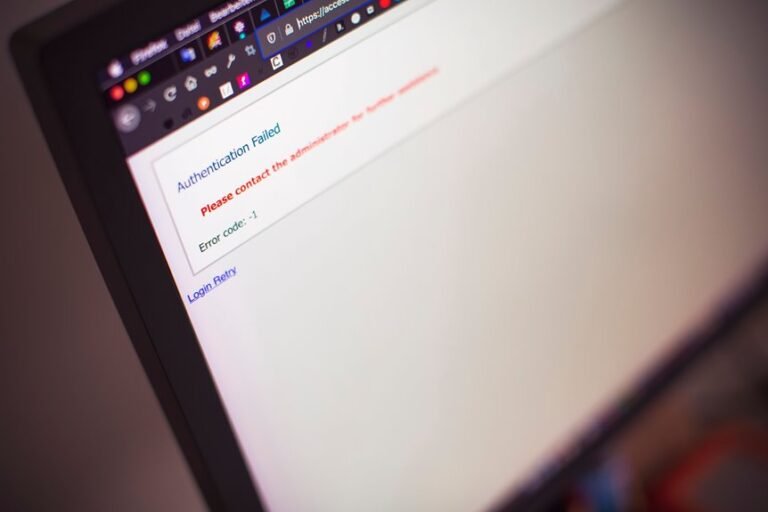
Diagnosing Common Login Hurdles: Typos, Subnet Mismatches, and Access Issues
Network login reliability hinges on accurate input and correct addressing. The analysis targets common blockers: typographical errors, mismatched subnets, and access restrictions. Typo troubleshooting focuses on deliberate verification of digits and separators, reducing mistyped sequences. Subnet awareness ensures devices reside on compatible networks, preventing routing conflicts. Systematically verify credentials, device addresses, and permissions to minimize recurring login hurdles with precise, reproducible checks.
Step-by-Step Guide to Finding and Logging Into Your Router or Device
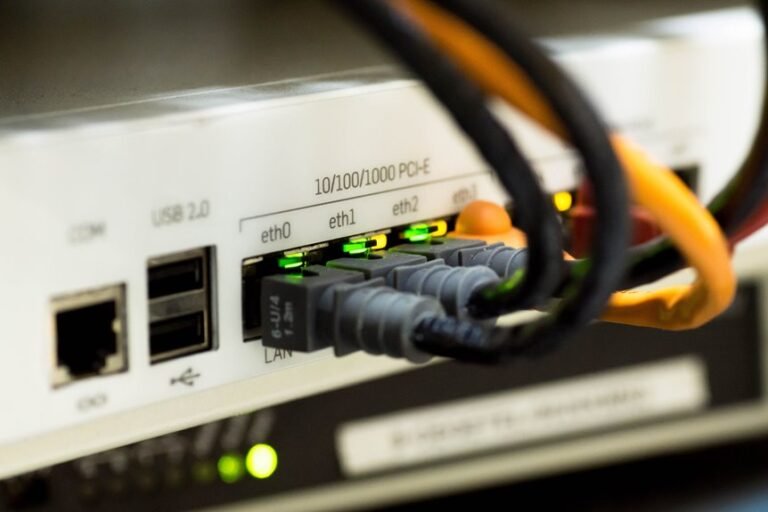
Finding the router or device login page requires a systematic approach: identify the device’s IP address, access its web interface, and verify credential validity. The guide outlines navigation, applying secure access, and updating settings: disabling public exposure, changing defaults, and enabling filtering content. This disciplined procedure empowers users who value freedom while maintaining robust network control and accountability.
Frequently Asked Questions
Can 192.168.72 Be Used on Public Networks?
192.168.72 cannot be used on public networks. It belongs to private IP addressing and is not routable on the Internet. For public networks, use public IPs; implement proper IP addressing, subnetting, and router branding guidelines.
Does 192.168.72 Require a Specific Router Brand?
A straight line; no, 192.168.72 does not require a specific router brand. It’s private IP addressing. In IP routing, compatibility hinges on standard protocols, not branding, and network naming remains independent of device choice.
Are There Security Risks With Using 192.168.72?
The question: security risks exist with 192.168.72? Yes, potential exposure when misconfigured or on public network usage. It merits strict segmentation, strong authentication, encrypted channels, and regular audits to minimize risk while preserving freedom to connect.
How Do I Verify if 192.168.72 Is Active on My Device?
They verify a 192.168.72 address by pinging the host, checking local network interfaces, and using ipconfig/ifconfig to confirm the IP assignment; this follows networking basics and ip address validation, ensuring responsiveness and correct subnet alignment.
Can VPNS Affect Access to 192.168.72 Login Pages?
VPN access can alter reach to 192.168.72 login pages; proxies and encryption may block or disguise routes. The methodical assessment weighs Public network safety implications while preserving user freedom within secure, auditable access policies.
Conclusion
In summary, precision governs connectivity: identify the private IP, verify the subnet, and confirm credentials. Ensure formatting is correct, 192.168.x.x style, and that the device and client share a subnet. Confirm no typos, avoid conflicting addresses, and maintain secure access settings. Troubleshoot by checking route visibility, gateway reachability, and login responses, then adjust network parameters accordingly. Validate through test access, confirm device availability, and secure the session to prevent unauthorized exposure.