168.178.53 Router Login Guide With Troubleshooting Tips
Accessing the 168.178.53 router admin page requires a direct connection and a modern browser. The guide outlines credential entry, section navigation for security and firmware, and basic verification steps. If access fails, a reset may be necessary, followed by identity verification and reconfiguration. Practical checks include cables, LEDs, and WAN/LAN status, plus firmware updates and HTTPS enablement. The process ends with secure credentials and ongoing device monitoring, a prudent prerequisite to further configuration.
Accessing the 168.178.53 Router Admin Page
To access the 168.178.53 router admin page, users should connect a computer or mobile device to the router’s network via Ethernet or Wi‑Fi and open a web browser.
Access requires login credentials, after which the interface presents sections for network security, firmware updates, troubleshooting, and parental controls.
Proper navigation ensures secure configuration, stable performance, and user autonomy.
Recovering or Resetting Your Router Login Credentials
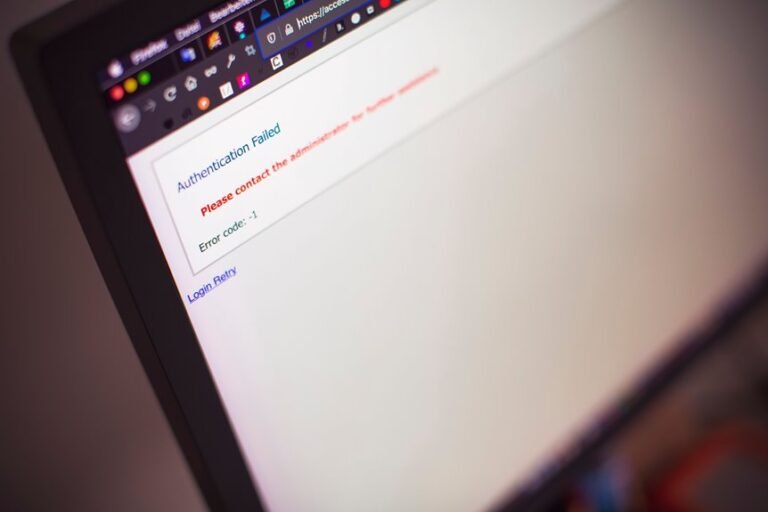
Recovering or resetting router login credentials involves a structured approach to regain access while preserving security. The process emphasizes credential privacy and documented steps: initiate a password reset via the router interface or physical reset, verify identity, then reconfigure security settings. After access restoration, perform a firmware update to close vulnerabilities and reinforce ongoing protection.
Quick Troubleshooting Steps to Get Back Online
When connectivity drops, a structured, quick-check workflow helps restore online access with minimal downtime.
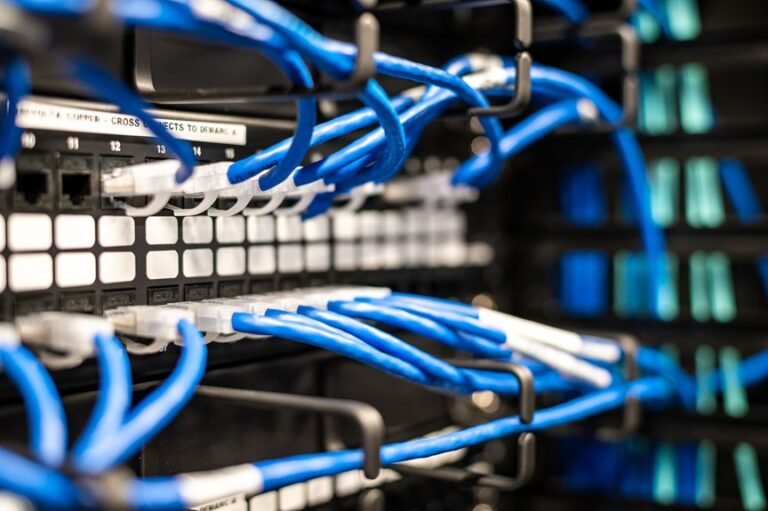
The sequence begins by verifying physical connections and power, then testing WAN/LAN status, and inspecting device LEDs for fault indicators.
Next, review network security settings and disable unneeded filters.
Finally, perform firmware updates and confirm stable reconnected services, logging results for future reference.
Securing Your Router After Login: Best Practices and Prevention
Securing a router after login requires a disciplined, stepwise approach to minimize exposure and maintain ongoing protection. Implement firmware updates promptly, disable unused services, and enable encrypted management (HTTPS). Create strong admin credentials, separate guest networks, and apply network segmentation. Regularly audit connected devices for unusual activity. Security threat awareness informs routine device hardening and proactive risk mitigation.
Frequently Asked Questions
How Do I Change the Router’s Wi-Fi Name (SSID) After Login?
To change the router’s SSID after login, go to Wireless settings, select SSID rename, apply changes, and reboot if required; this maintains login security while enabling a distinct network name for user flexibility and secure access.
Can I Access the Admin Page From a Mobile Device?
Accessible mobile admin is possible; the device can be managed from a smartphone if the router’s firmware supports it and the admin interface is enabled. Firmware compatibility and secure connectivity are essential for seamless, freedom-minded access.
What Devices Are Compatible With the Router’s Firmware?
The router supports a range of compatible devices where firmware compatibility is confirmed by vendor documentation; generally modern desktops, laptops, tablets, and smartphones are compatible, provided OS versions meet minimum firmware requirements and security settings align with the device.
How Do I Enable Guest Network Isolation Securely?
To enable secure guest isolation, the router must enable guest network isolation features, disable access to the main LAN, apply secure firmware updates, and enforce network segmentation; reviewers confirm this ensures secure firmware protections and segregated guest traffic.
Is There a Way to Recover a Forgotten Admin Password Without Reset?
The answer is no: a forgotten password cannot be recovered without a reset; alternative proxies risk security implications and may undermine device integrity. From a security perspective, ownership verification and controlled reset procedures are the preferred, transparent path.
Conclusion
Conclusion:
In summary, users should methodically access the 168.178.53 router admin page, verify credentials, and apply essential settings such as security, firmware, and parental controls. When issues arise, follow the prescribed reset, cable checks, and LED indicators to restore connectivity. After regaining access, implement strong admin passwords and HTTPS, then monitor devices regularly. By adhering to these steps, the process runs smoothly, and network reliability improves—keep all configurations current, and avoid stumbling blocks by staying one step ahead. Stay sharp.