0.22.1 Network Configuration and Router Login Guide
The guide outlines essential steps to access and manage a home router securely. It covers locating the admin page, using a trusted connection, and applying default credentials changes. It emphasizes robust Wi‑Fi settings, restricted access, and clear naming for devices and networks. It also asks for ongoing firmware updates and basic hardening. The framework invites scrutiny of policy, configuration, and practice, inviting the reader to consider what comes next in implementing a solid baseline.
How to Access Your Router’s Admin Page
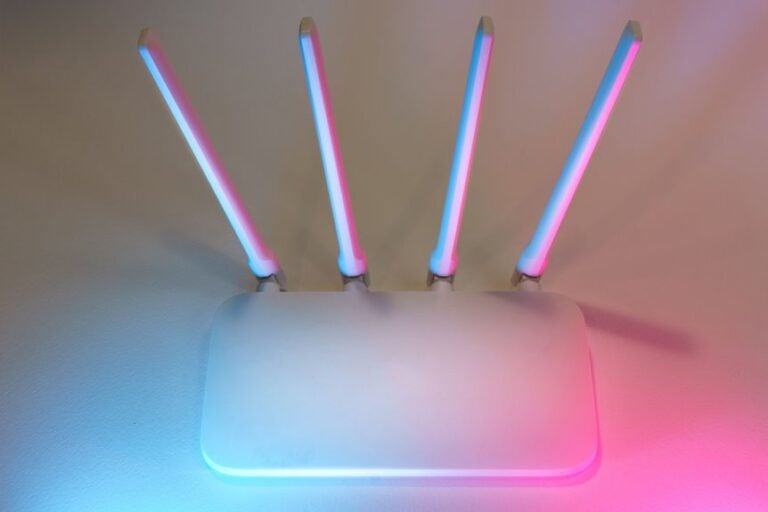
To access a router’s admin page, begin by connecting a computer to the router via Ethernet or a secure Wi-Fi network. The user then opens a browser and enters the device’s default IP address, commonly 192.168.1.1 or 192.168.0.1. The login screen appears; enter credentials to gain admin access, configuring settings with purpose and discipline. router login ensures empowered network control.
Secure Wi‑Fi Setup and Password Best Practices
Secure Wi‑Fi setup requires configuring a strong, unique network name and a robust password, then enforcing encryption and regular maintenance.
The guidance prioritizes a secure password policy, minimizing shared credentials and updating defaults promptly.
Implement wifi isolation where possible to restrict device communication.
Document changes, audit access, and routinely verify firmware integrity to sustain resilient, freedom-respecting network governance.
Customize IP Ranges and Network Naming for Clarity
Customizing IP ranges and network naming enhances clarity and manageability across the infrastructure. The guidance specifies structured allocation policies to prevent overlap and simplify auditing. Teams should document subnet scopes, gateway conventions, and device identifiers aligned with role-based naming. This approach emphasizes consistency, future scalability, and minimal ambiguity, enabling faster troubleshooting while supporting autonomous network expansion. customize ip ranges, network naming.
Keep Your Network Safe: Firmware Updates and Basic Hardening
Firmware hygiene builds on established network naming and IP allocation by ensuring devices run current software and adhere to baseline hardening. Regular firmware updates reduce exploit surfaces and preserve compatibility, while explicit hardening policies enforce secure defaults. Privacy auditing monitors data flow and access controls, and guest network isolation limits lateral movement, preserving autonomy while maintaining transparent, auditable boundaries for trusted devices.
Frequently Asked Questions
How Do I Change the Router Login URL for Remote Access?
The user seeks to change router login URL for remote access; this can be configured by altering the admin path or using a custom domain, while ensuring firmware safety and planning a factory reset if needed.
Can I Revert to Factory Settings Without Losing Firmware?
Yes, a factory reset will revert settings; however, reverting firmware is separate and may not occur automatically. To preserve firmware, perform a factory reset, then reconfigure remote access and login URL, ensuring reverting firmware is avoided.
What to Do if I Forget the Admin Password?
A forgetful administrator should perform the reset procedure to regain access. Remote access is reconfigured after login URL customization, and recovery steps ensure secure control while preserving operational independence and accountability during credential restoration.
How to Configure Guest Network Isolation and Access Limits?
The guide explains configuring guest network isolation with strict access controls, enabling parental features, and limiting device visibility. It emphasizes precise, structured steps to balance security and freedom while preserving usable guest access and network visibility controls.
Do Parental Controls Affect All Connected Devices by Default?
Parental controls do not automatically apply to all devices unless configured network-wide; they operate per-device or per-user basis. Device visibility is essential for enforcement, and control granularity varies by router features, requiring explicit enablement for comprehensive coverage.
Conclusion
Conclusion: Consistent security practices—strong credentials, regular firmware updates, and clear network naming—form the backbone of a safe home network. By auditing access, isolating guests, and enforcing encryption, users reduce risk and improve reliability. As the adage goes, prevention is better than cure; a proactive configuration mindset today prevents tomorrow’s headaches. In short, follow the guide’s defaults, tailor only where necessary, and document changes for enduring network resilience.