
0.0.118 Private IP Login and Setup Tutorial
The guide on 0.0.118 private IP login and setup outlines how to identify the correct private IP, access steps, and initial configuration. It emphasizes precise procedures for network, security, and baseline settings, with clear checks for credentials, clocks, and routing. The approach is practical and methodical, focusing on stable sessions and auditable logs. As peers note potential pitfalls, the material invites the practitioner to consider the implications before proceeding to the next steps.
What Is 0.0.118 Private IP and Why It Matters
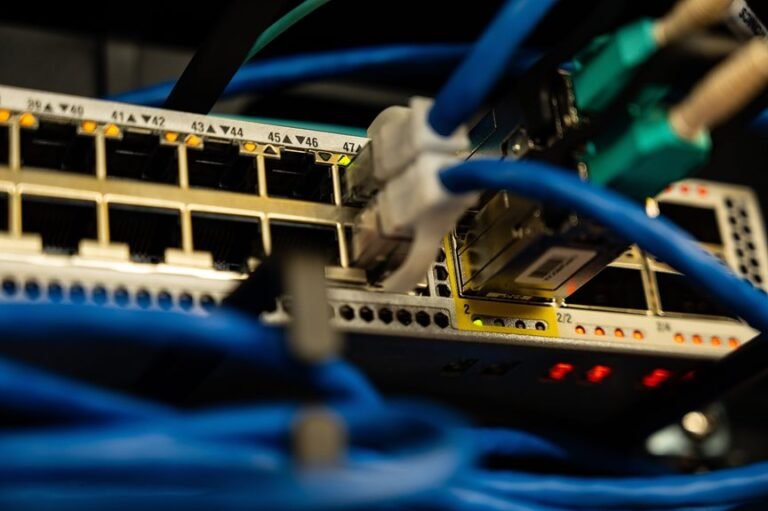
In networked environments, 0.0.118 denotes a private IP address within a non-standard internal range used for device discovery and local routing. The concept clarifies addressability, reduces exposure of public space, and aids automatic topology mapping.
What is, why it matters: it enables access device visibility and segmentation. Context supports straightforward login steps and controlled access, minimizing cross-network interference.
Access the Device: Identifying the Private IP and Login Steps
To access the device, users must first identify the correct private IP address assigned within the 0.0.118 range and then follow the documented login steps.
Network discovery confirms reachable endpoints, while access credentials are exchanged securely.
Device bonding readiness ensures stable sessions; participants review firewall rules to permit legitimate traffic, avoiding unauthorized attempts and preserving operational integrity throughout the authentication process.
Configure Essentials: Network, Security, and Initial Settings
Initial setup concentrates on establishing a stable network foundation, enforcing robust security postures, and applying baseline configurations. The process delineates network layout, private IP access, and initial settings to ensure consistent device onboarding.
Emphasis on network security shapes access controls and monitoring. Documentation covers device troubleshooting protocols, validation checks, and secure credential handling, enabling reliable operation while preserving freedom and control for administrators.
Troubleshooting and Common Pitfalls for a Smooth Setup
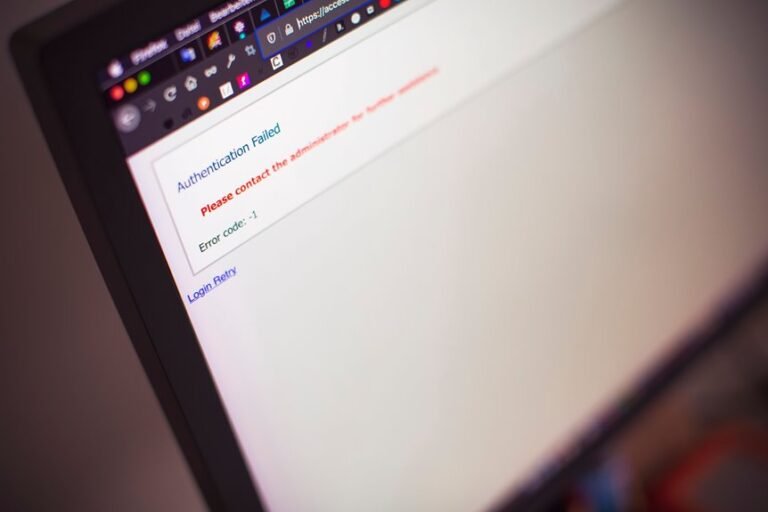
Common pitfalls during the initial setup are identified and addressed to ensure a reliable deployment. The guide emphasizes reproducible steps, verified credentials, and consistent network alignment. Configuration pitfalls are mitigated by documenting intended routes, ACLs, and DNS references. Login mismatches are resolved through standardized account naming, synchronized clocks, and credential escrow. Troubleshooting focuses on logs, timestamps, and incremental verification to maintain predictable progress.
Frequently Asked Questions
How Secure Is 0.0.118 Private IP by Default?
0.0.118 private IP by default shows limited exposed services, but security concerns persist; private IP behavior favors local access only, yet device hardening, default settings review, remote reset safeguards, and port customization remain essential for robust protection.
Can I Change the Default Login Port?
In a case study, a user changes the default login port for 0.0.0.0/0 devices, enabling robust security through port forwarding while maintaining freedom. They change password, update firmware, reset remotely, and pursue network isolation and device onboarding.
Is There a Mobile App for Setup?
A mobile app for setup exists for mobile device use, enabling setup via mobile device. The process is precise and practical, offering freedom to configure parameters remotely, with guidance optimized for on-the-go provisioning and streamlined, secure mobile-based interactions.
What to Do if DHCP Conflicts Occur?
DHCP conflicts require conflict resolution steps: verify device addresses, review security defaults, and apply DHCP troubleshooting. Consider login port changes, ensure mobile setup compatibility, and document steps. If unresolved, perform a remote factory reset for restoration.
Can I Reset to Factory Defaults Remotely?
Disarmingly simple truth: yes, one can reset to factory defaults remotely. The device initiates a reset procedure via secure remote maintenance commands, restoring configurations while preserving critical firmware integrity for continued operational independence.
Conclusion
In conclusion, the 0.0.118 private IP login and setup process provides a precise, repeatable path from device discovery to stable sessions. Following documented login steps, rigorous credential exchange, and baseline configurations ensures secure access and predictable operation. A disciplined approach to ACLs, DNS references, and logging reduces risk and accelerates troubleshooting. Like laying a solid foundation, meticulous timing, accurate clocks, and validated routes keep the network steady and ready for growth.