192168121 Correct Router IP Format and Login Help
Identifying the correct router IP is essential for secure access. Most private gateways use 192.168.1.1 or 192.168.0.1, but the exact address must match the device’s network settings. Access the admin interface via a browser with the verified gateway, then log in using current credentials. Weak passwords and exposed remote management pose risks. Proper steps include updating firmware, enforcing strong passwords, and enabling basic access controls, though firmware variants and interface names differ—this variety warrants careful verification before proceeding.
What Is a Router’s IP Address and Why 192.168.1.21?
A router’s IP address is the numerical label assigned to its local network interface, serving as the gateway through which devices communicate with each other and with external networks.
The 192.168.1.21 address illustrates private-space routing, central to device reachability and network segmentation.
It underpins how to troubleshoot IP conflicts and highlights why DHCP is important for home networks, ensuring seamless address distribution.
How to Identify Your Correct Router IP and Login Method
Determining the correct router IP and login method involves identifying the device’s local gateway and the corresponding administrative interface. In practice, Basic networking requires accurate IP discovery and route awareness. The method emphasizes minimal, verifiable steps to access configuration, prioritizing Router security and login recovery practices. Clear, standardized procedures reduce risk while preserving user autonomy and system stability.
Default Usernames, Passwords, and How to Regain Access
Default credentials pose a common entry point for unauthorized access, making it essential to understand typical defaults and how to regain control if they have not been changed. The analysis emphasizes router naming schemes, prudent password reuse avoidance, and how network segmentation limits risk. MAC filtering adds basic access control, while consistent credential management reduces exposure across devices and services.
Step-By-Step Login and Basic Security Tweaks for a Safer Network
To secure a network, the process begins with logging into the router’s admin interface using the correct local IP address and verified credentials, then proceeds to implement essential security tweaks. The approach differentiates incorrect IP vs. private range, ensuring accurate access. Addressing router login fatigue, a concise session timeout, strong unique passwords, and disabled remote management reinforce resilience and user autonomy.
Frequently Asked Questions
Can I Change My Router’s IP Address Safely?
Yes, it can be done safely with careful planning. IP configuration changes should be documented, backed up, and performed during low-traffic periods; ensure network security remains intact by updating DHCP, DNS, and firewall rules as needed.
What if My Router Uses a Non-Default Subnet?
Answering: If a router uses a non-default subnet, it remains functional but requires updated network plans, static routes, and client reconfigurations; changes should be documented, tested, and safely implemented with rollback. The device adapts, while connectivity breathes freedom. two word ideas, subtopic irrelevant.
How Do I Log in Without Ethernet?
To log in without Ethernet, one can use wireless access via secure login methods, typically through the router’s wireless network and admin portal. The method emphasizes configuring credentials, firewall considerations, and preferred encryption for autonomous, freedom-minded users.
Can I Access the Router From WAN Side?
Yes, it is possible to access a router from the WAN side, though risks exist. WAN access pitfalls emerge; remote management considerations include strong authentication, IP whitelisting, and disabling unless necessary to preserve security and user freedom.
Do I Need to Back up Router Settings Before Changes?
Yes, it is prudent to back up router settings before changes. The process should capture backup preferences and document firmware updates, ensuring quick rollback if issues arise and preserving preferred configurations during advanced optimizations.
Conclusion
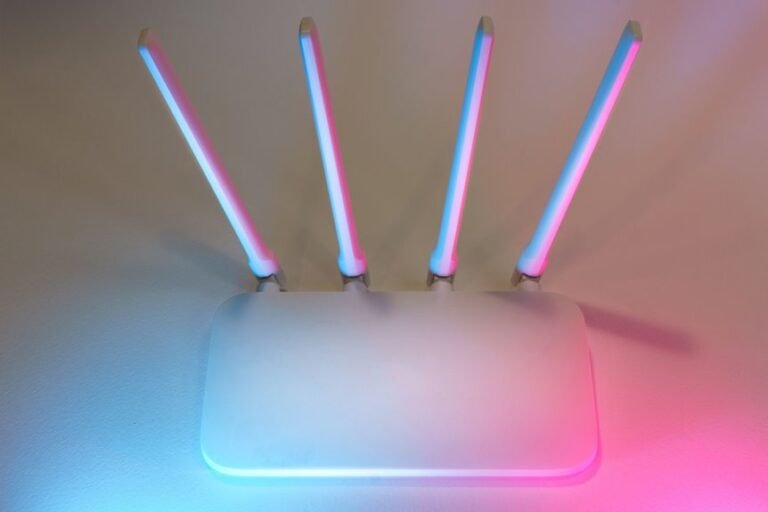
In the silent glow of the router’s status lights, the gateway reveals itself as a quiet harbor for devices. Identifying the exact local IP—often 192.168.1.1 or 192.168.0.1—unlocks a secure harboring of credentials and access. With careful login, updates, and tightened defenses, the network becomes a fortified corridor: firmware refreshed, remote management blocked, MAC filtering serving as a subtle gatekeeper. The result is a stable, resilient home network, securely navigable with confidence.