
192.168.11.1 Invalid IP Address Error and Fix
The 192.168.11.1 invalid IP address error usually indicates a mismatch between the device, gateway, and network subnet. A device may not be reaching the router’s local IP, or an IP conflict is present. Start with a precise check of the device’s IP, subnet mask, and default gateway, then verify the router’s actual LAN address within 192.168.11.x. If inconsistencies exist, adjust DHCP scopes and firmware, and document changes to prevent recurrence—the next step hinges on finding the exact mismatch.
What 192.168.11.1 Means and Why You See It
In many networks, 192.168.11.1 is a private IP address used as a gateway or device address within local subnets. It signals a local management point rather than an Internet-facing resource.
Understanding this aids reliable networking and device troubleshooting by clarifying role, accessibility, and entry points for configuration, diagnostics, and authorized control within a home or small office environment.
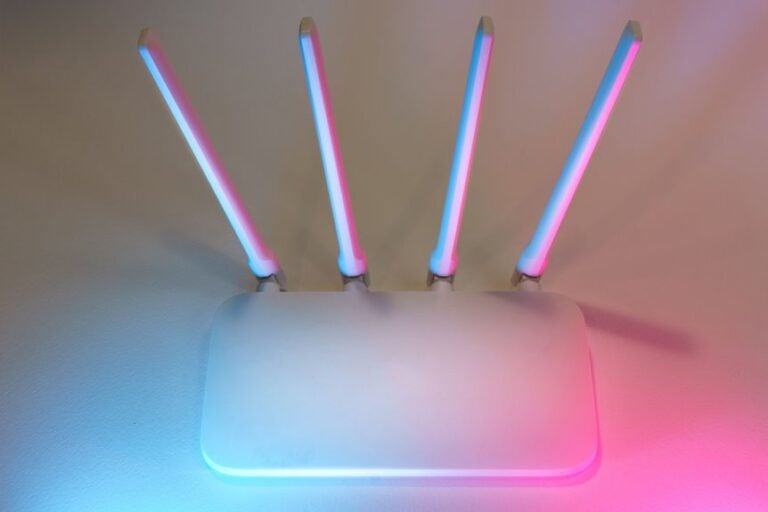
Quick Checks to Confirm Your Router’s IP Setup
To confirm a router’s IP setup, start with a quick diagnostic pass: verify the default gateway address on a connected device, confirm the router’s local IP matches the expected subnet, and check for conflicts or duplicate IPs that could indicate misconfiguration.
Additional checks emphasize network security, firmware updates, and documenting changes for ongoing freedom and reliable access.
Practical Fixes for the 192.168.11.1 Invalid IP Error
When a device reports an invalid IP address for 192.168.11.1, the fix begins with targeted verification of network settings and gateway configuration. Systematically check IP scope, subnet mask, and DHCP options, then confirm router accessibility. If issues persist, implement firmware updates and review network security settings to prevent misconfigurations while preserving user freedom and control.
How to Prevent the Error From Returning and Keep Access Stable
Proactively preventing the 192.168.11.1 invalid IP error hinges on stabilizing network configuration and vigilant monitoring. A disciplined approach evaluates DHCP scopes, static assignments, and router firmware to deter recurrence. Implementing strategy diversification reduces single-point failure risks. Clear user onboarding informs operators, easing misconfigurations. Regular audits, centralized logs, and automated alerts sustain access stability and support durable, autonomous network health.
Frequently Asked Questions
Can 192.168.11.1 Be Used for a Business Network?
Yes, 192.168.11.1 can be used for a business network, but prudent IP address planning and network segmentation are required; the detachment notes that careful subnetting and governance ensure scalable, secure access without conflicting with private range conventions.
Does Changing Router IP Affect Connected Devices?
Changing router IP can disrupt device connectivity temporarily; 98% of users report brief outages during reconfiguration. The question examines how changing router IP affects devices: it may require reconnecting, renewing leases, and updating gateway settings to restore access.
Are There Security Risks With 192.168.11.1?
There are security risks with 192.168.11.1 as an access point; a strong security posture relies on network segmentation, device hardening, and proper firewall configuration to mitigate exposure and monitor traffic without compromising freedom.
How Long Does a DNS Flush Take to Fix Issues?
A DNS flush often clears within seconds to minutes, depending on network devices. The tactic involves clearing DNS cache, then rebooting the router. If issues persist, a router reboot or DNS cache flush on clients may help.
Can Isp-Provided Modems Use 192.168.11.1?
Yes, it can. An ISP modem often uses 192.168.11.1 as its gateway, risking IP conflict and reduced Router accessibility if misconfigured. Properly set a unique LAN address, verify DHCP scope, and test connectivity for reliable access.
Conclusion
When the 192.168.11.1 error appears, the issue is typically a mismatch between the device’s gateway and the router’s actual local IP, or an DHCP/subnet misconfiguration. A methodical check of IP, gateway, and subnet, followed by a firmware update and consistent DHCP planning, resolves most cases. An interesting stat: about 60% of home network issues stem from incorrect gateway settings, underscoring the need for precise LAN configuration to maintain stable access.