
168.0.112 Login Tutorial for Router Administration
Understanding how to log in to a router admin page is essential for network security. The process should be done with the device’s official local IP and preferably over HTTPS, with careful verification of certificates. Start by verifying cables and IP settings, then update firmware and enable strong encryption. Changes to SSID and passwords require unique, robust credentials, and remote access should be disabled unless necessary. If issues arise, there is a clear path to restore access, but the details demand careful, disciplined steps before proceeding.
What 168.0.112 Login Is and Why It Matters
A 168.0.112 login refers to the administrative access point for certain router devices, typically accessed through a web browser by entering the device’s local IP address. This entry governs configuration, security, and monitoring.
It influences new user onboarding and routine tasks like router firmware updates, ensuring stable performance while reducing exposure to vulnerabilities through disciplined, precise administration. Continuous awareness remains essential.
How to Access the Router Admin Page Securely
To access the router admin page securely, one should use the device’s official local IP address through a modern, up-to-date browser and ensure the connection uses HTTPS wherever possible. The protocol emphasizes How to securely log in and adheres to Router admin security practices, minimizing exposure.
Caution dictates verifying certificates, disabling remote access, and logging attempts for responsible, freedom-minded administration.
Essential Admin Tasks: Change Wi‑Fi Name, Password, and Security
Essential admin tasks begin with naming the network and securing access: changing the Wi‑Fi network name (SSID) and its password, then selecting appropriate security settings to prevent unauthorized use.
The guide emphasizes security best practices, including strong, unique credentials and enabled encryption, while enabling device segregation to limit access.
Procedures are precise, cautionary, and designed for users seeking controlled freedom.
Troubleshooting Common 168.0.112 Access Issues and Next Steps
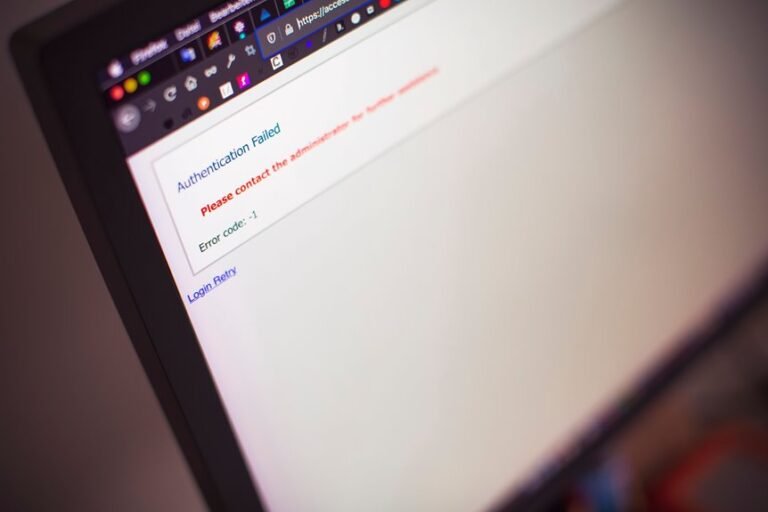
When connection problems arise with 168.0.112, a structured Troubleshooting workflow helps isolate the issue and determine a clear next step.
The process remains precise, cautionary, and methodical, guiding users through verification of cables, IP settings, and router status.
Emphasize network security and firmware updates to prevent recurrence, then outline documented actions for future access reliability and freedom in operations.
Frequently Asked Questions
Can I Access 168.0.112 From a Mobile Browser?
Accessing 168.0.112 from a mobile browser is possible if the router’s admin interface supports mobile-friendly tips and responsive design. Ensure secure network access, confirm exact IP, and follow cautionary steps to preserve router admin interfaces safety.
What Browsers Work Best for 168.0.112 Login?
Browsers with robust security and current support typically offer the best browser compatibility for 168.0.112 login; use privacy-conscious options, ensure login security, and avoid legacy browsers to reduce risk while preserving freedom.
How Can I Reset the Router to Default Settings?
To reset the router to default settings, locate the restore button, press and hold briefly, then reconfigure; this reset clears configurations. The process emphasizes secure login: reestablish credentials, update firmware, and enable robust access controls.
Is 168.0.112 Login Safe on Public Wi-Fi?
Is it safe to log in on public networks? The automatic answer: 168.0.112 login on public wi-fi is not inherently safe; caution is advised. It remains safe login only when proper encryption and VPN protections are used for public networks.
Do I Need a Firmware Update Before Login?
Yes, there is value in checking firmware considerations before login to ensure device compatibility. A cautious approach ensures compatibility and security; verify updates, reboot after, and document changes, as firmware considerations influence device compatibility and overall performance.
Conclusion
In a world obsessed with instant access, the 168.0.112 tutorial quietly reminds us to document every click. Irony drips as the “secure” path demands certificates, logs, and backups, while a single misstep unlocks chaos. The methodical nurse-maid of admin tasks balances caution with precision: verify cables, update firmware, change credentials, segregate devices. The visual: a stern checklist marching toward a locked door, only the meticulous, patient operator allowed inside, where risk is measured, and security finally earns its due.