168.2.104 Network Configuration and Router Access
The topic 168.2.104 concerns a defined IPv4 allocation within a subnet to organize devices and guide routing decisions. It covers locating the gateway address, logging into the router admin page, and confirming firmware status. Security best practices are central: WPA2/WPA3, strong passphrases, client isolation, and timely updates. The discussion will address essential wireless setup, boundary definitions, and practical checks, but incomplete configurations can leave gaps that invite further investigation.
What 168.2.104 Means for Your Network
The address 168.2.104 represents a specific IPv4 network allocation and is used to identify devices within that subnet.
In this context, network boundaries define routing, addressing, and device grouping.
For users seeking freedom, clarity matters: data privacy considerations influence traffic handling, while regular firmware updates sustain security posture and feature availability, ensuring resilient, auditable network operation.
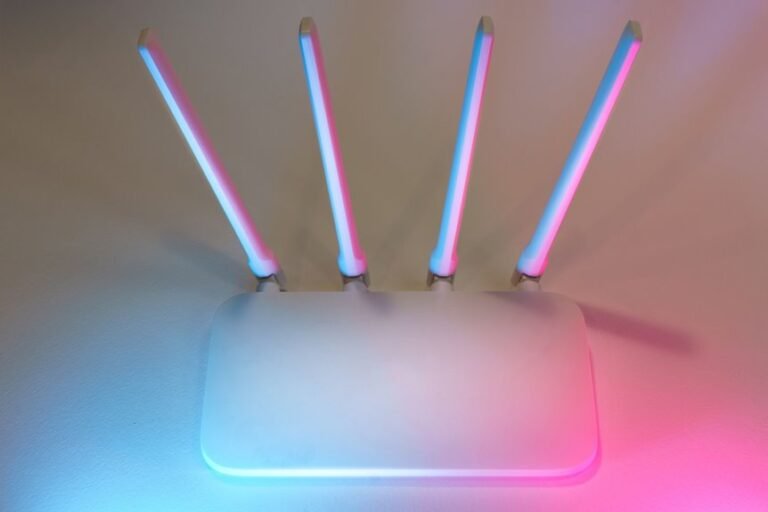
Find and Access Your Router Admin Page
To locate the router’s admin page, identify the device’s gateway address from the network settings, then enter that address into a web browser’s address bar.
The login interface appears, presenting the administrator with options to verify firmware status and apply updates.
Access may reveal guest network controls, requiring separate credentials and prudent firmware maintenance for secure, reliable, flexible network management.
Essential Wireless Setup: SSIDs, Passwords, and Security
Essential wireless setup centers on selecting an SSID, establishing a robust password, and configuring security settings to protect network traffic.
The discussion presents a methodical approach: choose an unobtrusive SSID, implement WPA2 or WPA3 with a strong passphrase, and enable encryption, client isolation, and guest access controls.
Essential security and Wireless best practice guide disciplined, freedom-minded network stewardship.
Basic Configuration, Troubleshooting, and Connectivity Checks
A systematic approach to Basic Configuration, Troubleshooting, and Connectivity Checks begins with enumerating device requirements, confirming hardware compatibility, and establishing baseline network parameters. The process emphasizes reproducible steps, disciplined logging, and repeatable tests.
Practical focus includes network segmentation planning and gateway redundancy assessment, ensuring reliable pathways, clear failure points, and rapid recovery during diagnostics, configuration changes, and ongoing performance verification.
Frequently Asked Questions
What Devices Use the 168.2.104 Range for Routing?
IP routing devices configured with the 168.2.104 range include routers and gateway appliances within private or reserved scopes. These systems implement Networking protocols and IP addressing schemes to manage path selection, traffic segmentation, and secure inter-network communications, preserving freedom and efficiency.
How Do I Update Router Firmware Safely?
Can updating firmware be done safely? The procedure emphasizes update firmware safely, mitigate supply chain risks, set up guest networks, change default login username, keep logs for breaches, monitor devices using 168.2.104 for routing, and document changes.
Can I Change the Default Router Login Username?
Yes, one can change the default router login username by accessing the admin interface, selecting account settings, and replacing the default with a unique identifier. Then change password, secure access, and document the new router login procedure.
What Logs Indicate a Security Breach or Attack?
Anaphora raises vigilance: security breach indicators appear as anomalous login attempts, unusual traffic spikes, and unauthorised protocol use. The logs reveal attack patterns through firewall alerts, IDS/IPS warnings, and network monitoring mismatch with baseline behavior.
How Do I Set up Guest Networks for Visitors?
To set up guest networks, implement visitor access controls, verify router firmware safety, ensure login security, and monitor breach indicators; configure isolated VLANs, separate SSIDs, restricted bandwidth, and captive portal authentication for temporary visitors.
Conclusion
In sum, 168.2.104 defines a precise network boundary that informs device allocation and routing scope, while gateway discovery enables reliable access to the router admin page for configuration and monitoring. By implementing WPA2/WPA3, strong unique passwords, client isolation, and timely firmware updates, administrators strengthen security and stability. This disciplined process—identify, access, configure, verify—ensures dependable connectivity. Ultimately, the network becomes a well-ordered system where security acts as the steady, invisible conductor guiding all traffic. Meticulousness, like a rhythm, governs reliability.