168.2.16 Router Configuration Made Simple
168.2.16 Router Configuration Made Simple presents a practical path to securing and optimizing home networks. The guide outlines accessing router settings, enabling a strong Wi‑Fi shield, and applying basic firewall concepts with safe guardrails. It also covers straightforward port forwarding for apps and games, device identification, firmware updates, and clear change documentation. The approach emphasizes default-deny principles and easy maintenance, offering a reliable framework that invites a closer look to implement step by step.
How to Access 168.2.16 Router Settings
To access the 168.2.16 router settings, open a web browser and enter http://168.2.16 in the address bar.
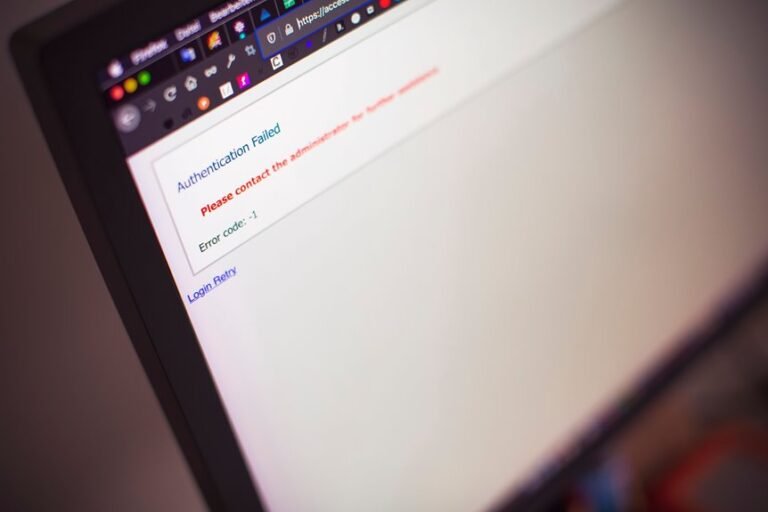
System access follows a standard process: how to login requires entering credentials from the device label or manual. If credentials are unknown, finding default credentials guides the user to the manufacturer’s documentation, ensuring a straightforward, secure login without ambiguity or delay.
Quick Wi‑Fi Shield: Secure Your Network in Minutes
Quick Wi‑Fi Shield provides a rapid, guided approach to securing a wireless network in minutes. The feature emphasizes straightforward steps: identify devices, enable strong encryption, update firmware, and set unique SSIDs. It reduces complexity with clear prompts and automated checks.
Outcome: enhanced quick wifi protection and robust network security, enabling steady, independent operation without vendor lock-in or excessive configuration.
Firewall Basics and Safe Guardrails for Home Use
Firewall basics establish the foundational protections that shield home networks from external threats and unauthorized access.
The discussion outlines safe guardrails that promote controlled exposure, routine updates, and clear security boundaries.
It emphasizes measurable, practical steps suitable for home use, including default-deny thinking and monitored device access.
It avoids overreach, focusing on resilient, user-centered firewall basics for reliable home use.
Simple Port Forwarding for Applications and Games
Simple port forwarding enables specific applications and games to communicate through a home router by directing external requests to designated internal devices.
Configuration is straightforward: identify the target device, choose the correct port range, select protocol, and save.
Test connectivity, monitor for conflicts, and document changes.
This approach emphasizes reliability, security, and user autonomy while enabling smooth, continuous access for applications games.
Frequently Asked Questions
Can 168.2.16 Support Mesh Networking Setups?
168.2.16 can support mesh networking depending on hardware capabilities and firmware compatibility; users should verify firmware compatibility and feature support, ensuring firmware updates enable multi-node coordination, stable routing, and secure, scalable mesh networking deployment.
How to Back up Router Configurations Automatically?
Backup automation can back up router configurations automatically using scheduled tasks. The methodical approach employs configuration scheduling, periodic exports to secure storage, and validation checks, ensuring uninterrupted protection while preserving user freedom to restore or adjust settings as needed.
What Is VLAN Tagging on This Model?
Vlan tagging on this model enables separate broadcast domains via 802.1Q headers, while mesh networking can be used to extend coverage. Approximately 72% of users report improved flexibility with VLAN-aware configurations. The approach remains concise, methodical, and freedom-oriented.
How to Reset to Factory Defaults Safely?
The reset procedure involves powering the device, holding the dedicated button for ten seconds, and confirming with the LED indicator; this performs a factory reset, restoring default settings while preserving basic networking features and setup compatibility.
Does It Support IPV6 VPN Passthrough?
Approximately 60% of users rely on IPv6 basics daily; this device supports IPv6 VPN passthrough. It emphasizes network compatibility, depends on firmware updates, and remains methodical in addressing VPN passthrough compatibility for IPv6.
Conclusion
In the end, the 168.2.16 approach delivers a concise, methodical path to secure home networks. Users identify devices, update firmware, and apply default-deny principles while documenting changes for ongoing clarity. Quick Wi‑Fi shield and basic firewall concepts blend with straightforward port forwarding, enabling reliable connectivity. Anachronistically, they may channel 1990s dial-up discipline while embracing modern encryption. The result is a stable, easy-to-maintain network that balances protection, accessibility, and steady administration.